Free shipping for orders over $100 · Flat rate $15 on orders under $100Free same-day local delivery within Camrose on orders $50+ placed before 3 PM Mon–ThuFree shipping for orders over $100 · Flat rate $15 on orders under $100Free same-day local delivery within Camrose on orders $50+ placed before 3 PM Mon–Thu
Mix & Match

Buy 3 Indisposable bottles, get the 4th free

Rewards

Earn 5% back in store credit

Free standard shipping over $100

Cloud Haven

Guide · For new vapers

Where the leak is coming from, and how to stop it.

A leaky vape is almost never a defective product. Nine times out of ten it is one of a handful of everyday causes: too much liquid in the pod, a tired seal, a temperature swing, or a pod that has simply run its course. This guide walks through what to look for and what to do about it, in the same order we would check it for you at the counter.

5 min read · 9 chapters

Quick picks

The short answer, by where you're starting from.

  • 01

    Small wet spot under the pod, no other symptoms

    Wipe the contacts and refit the pod

    The most common kind of leak. A clean wipe and a firm reseat is usually all it needs to settle down for the next bottle.

  • 02

    Liquid bubbling up around the mouthpiece

    Check the fill plug and the fill level

    Overfilling and a loose or dirty fill plug are the two usual causes. Top up to just below the marked line and seat the plug properly.

  • 03

    Pod still leaks after cleaning and a fresh fill

    Replace the pod

    Pods are consumable. A pod that leaks across multiple refills has reached the end of its useful life, no matter how new it feels.

01 / 09

What leaking actually looks like

Leaking is not always a puddle. Often it is a thin film of liquid on the bottom of the pod where it meets the battery, a wet ring around the fill plug, or a few drops in your pocket at the end of the day. Sometimes you only notice it when the device starts gurgling on the first pull. Anything that puts liquid somewhere it should not be counts. Knowing what kind of leak you have is the fastest way to figure out what to do about it.
02 / 09

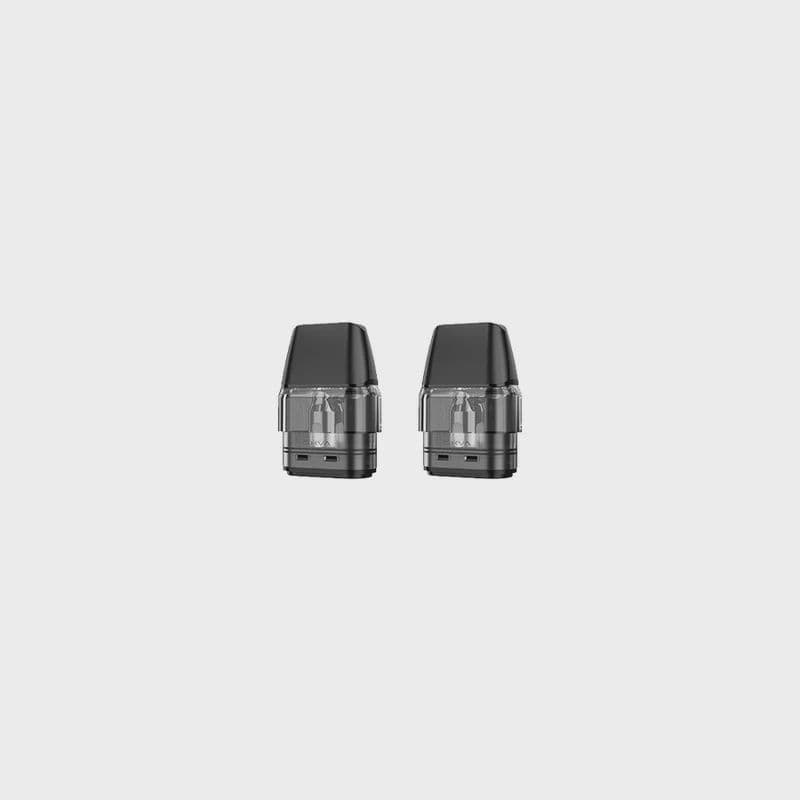
Overfilling a pod

Pods are designed to be filled to a line, not to the very top. Going past that line forces liquid into the air channel where it does not belong, and the device will push it out through the contacts or the mouthpiece the first chance it gets. Most pods have a small visible line or a printed max-fill marker. Top up to just below it. If the bottle does not have a fine-tip nozzle, slow down and watch the pod as you fill. Five seconds of patience saves the cleanup that comes from a pod that was filled half a millilitre too far.

03 / 09

Damaged seals and fill plugs

Every pod has a small rubber or silicone plug over the fill port. After a few refills the plug can stretch, scuff, or pick up grit. Once it stops seating cleanly, liquid finds a way out of the fill hole on its own. Pop the plug out, look at it under good light, and check that it is still firm and still in shape. If the plug is loose, cracked, or visibly compressed, the pod is at the end of its run. Replacement plugs are sometimes sold separately for the higher-end refillables, but for most pods the practical fix is a fresh pod.

04 / 09

Temperature changes

Liquid expands and contracts with temperature. A pod filled in a warm room and carried out into the cold can pull air through the coil and leak a little as it cools. The same thing happens in reverse. A cool pod warming up in a pocket or a coat lining will sometimes weep a few drops as the liquid inside expands and pushes outward. This kind of leak is small, predictable, and not a sign of a damaged pod. Wipe the contacts and carry on. If the leak is heavy after a normal temperature change, something else is wrong.

05 / 09

Leaving devices in vehicles

This is the single most common cause of a sudden, dramatic leak. A vape left on a dashboard in a Canadian summer can reach temperatures hot enough to thin the liquid almost to water, and the pod will dump most of its contents through the airflow. The same thing in reverse during a cold snap can crack a seal or a plug. Treat the kit like sunscreen or a soft drink. It does not belong in a hot or freezing car for any length of time. If the pod has been heat-soaked, empty it, clean the contacts thoroughly, and refit before trying it again.

06 / 09

Worn pods and coils

Pods are consumable. The cotton wick inside the coil softens over time, the seals lose their grip, and at some point the pod just stops holding liquid the way it used to. Most pods are good for the equivalent of three to five fills before the coil starts to fade, and somewhere around the same window for the seals to start letting go. If the same pod has needed contact wipes for a couple of bottles in a row, replacement is faster and cheaper than continuing to chase the leak. The pod will tell you when it is done.

Minor leak, usually fixable

  • Small wet film on the contacts after a fill
  • Few drops in a pocket after a cold day out
  • Light gurgle on the first pull after a refill
  • Liquid stops appearing after a clean wipe
  • Pod is fewer than three fills old
  • Action: clean the contacts, refit, carry on

End-of-life leak, replace the pod

  • Wet ring around the pod every time you fill
  • Liquid pooled in the battery's pod well
  • Gurgling on most pulls, not just the first
  • Wipe-and-refit fix lasts under an hour
  • Pod has been refilled five or more times
  • Action: swap in a fresh pod, recycle the old one
07 / 09

Incorrect liquid for the device

Thinner liquid leaks faster. A 50/50 salt nicotine bottle in a pod kit is fine because the pod was designed for that ratio. The same 50/50 in a sub-ohm tank meant for 70/30 freebase can leak through the coil under wattage. Going the other way, a 70/30 freebase in a small pod kit usually does not leak, but it wicks too slowly and burns. The cleanest rule is to match the liquid to the kit. If a bottle is fighting a pod every fill, the ratio mismatch is the first thing to check before assuming the pod is defective.

08 / 09

Cleaning contacts and connections

Remove the pod from the battery.

Wipe the metal contacts on both the pod and the battery with a dry cotton swab or a clean tissue.

Look down into the battery's pod well for any pooled liquid. Tip it and let any drops fall out onto a paper towel.

Wipe the threads or the magnetic surface, depending on how the pod attaches.

Let everything sit for a minute so any liquid in the airflow can settle out.

Reseat the pod with a firm press until it clicks or seats fully.

If the device has a tank rather than a pod, the same steps apply, just with the tank unscrewed instead of unclipped.

09 / 09

When replacement is the best option

A pod that has been cleaned, refit, and refilled and still leaks is finished. Continuing to use it usually means liquid keeps escaping into the battery, which is the actual risk. Pods are sold in packs of three or four for a reason; cycling through them is normal and expected. If a tank is leaking around the glass section or where the coil screws in, the seal kit inside has dried out and the tank itself needs replacing. None of this is a sign you bought a bad device. It is the natural end of one of the consumable parts.

Common questions

The honest answers, no fluff.

Need something more specific? Our team replies same-day. Contact us.

  • Why is liquid collecting under my pod?

    Almost always one of three things. The pod was filled past its line and liquid is being pushed through the contacts. The fill plug is no longer seating cleanly and liquid is escaping there. Or the pod has reached the end of its useful life and the internal seals are letting go. Wipe the contacts, refit firmly, and watch the next fill. If liquid keeps appearing in the same spot, the pod is done and a fresh one is the practical fix.

  • Is a small amount of condensation normal?

    Yes. Most pods produce a tiny amount of liquid build-up around the contacts over time because vapour cools and re-condenses inside the device. A film small enough to clean with a single cotton swab on a quiet day is normal. A puddle, a wet pocket, or liquid pooled in the battery's pod well is not.

  • Can leaking damage my device?

    It can. Pods leak liquid into the battery's pod well, and once it pools there it can find its way to internal components. Most modern kits have some splash tolerance built in, but persistent leaking shortens the life of the battery and increases the risk of a button or charge port issue. Cleaning contacts on a regular basis and replacing pods that have run their course keeps the battery healthy.

  • Should I replace the pod?

    If a pod has leaked after a contact-wipe-and-refit fix, the answer is yes. Pods are consumable parts and most reach the end of their useful life somewhere around the third to fifth refill, depending on the kit and how it is used. Continuing to chase a leak with cleaning alone usually costs more in liquid lost than the price of a fresh pod.

More guides

Keep reading